Why Toronto Basements Flood After Heavy Rain
A practical breakdown of the most common causes of basement flooding in Toronto homes, how to read the warning signs, and which repair to consider first.
CornerStone Team - April 30, 2026 - 7 min read
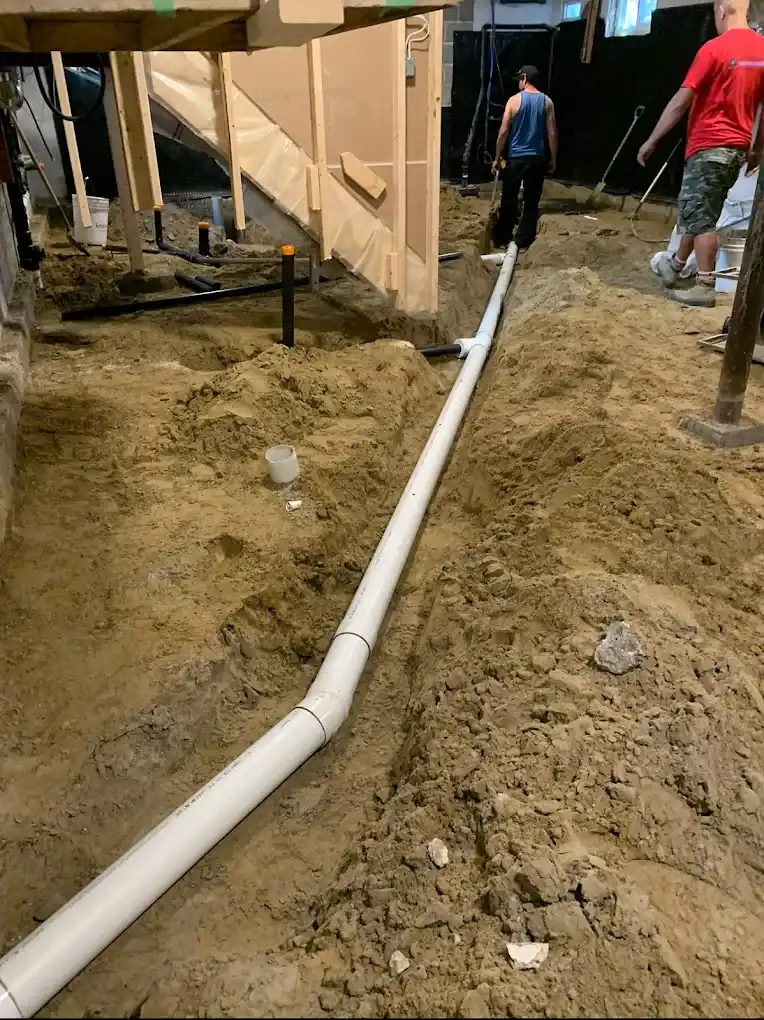
Most basement flooding in Toronto does not come from one dramatic failure. It usually comes from a chain of small problems: clay soil holding water, old foundation walls, tired drains, missing backup protection, and concrete floors that were never built for today's rainfall.
The useful question is not "Do I need waterproofing?" The better question is "Where is the water coming from?" Once you know that, the repair path becomes much clearer.
Start With The Symptom, Not The Service
A wet basement can point to several different repairs. If you guess wrong, you can spend money on a fix that looks reasonable but does not solve the actual source.
Water Is Coming Through The Foundation Wall
If the wall is damp, stained, musty, or leaking near the cove joint where the wall meets the floor, the problem is usually groundwater pressure. Toronto clay soil holds water against the foundation after heavy rain. Once old damp-proofing fails, water looks for cracks, mortar joints, pipe penetrations, or the wall-floor joint.
Compare interior and exterior waterproofingThe Floor Drain Backs Up Or Smells Like Sewer Gas
A basement floor drain that gurgles, smells, or backs up during rain points to a drain problem, not just a wet-basement problem. Older Toronto homes can have cracked clay pipe, root intrusion, poor slope, or no backwater valve. A camera inspection is usually the cleanest first step.
Inspect floor drains and backwater valve optionsThe Basement Floor Is Cracked, Uneven, Or Already Being Opened
When the floor has to come up for drain work, sump work, plumbing, or waterproofing, it is often worth planning the new concrete properly. A new slab can be sloped, drained, and poured around the flood-prevention work instead of patched in pieces.
Plan concrete floor replacementThe Leak Is Paired With Cracks Or Wall Movement
Some leaks are symptoms of a structural issue. Horizontal cracking, bowing, stair-step cracks, or widening cracks should not be treated like simple moisture problems. The wall needs to be assessed before waterproofing hides a bigger foundation concern.
Diagnose foundation repair needsThe Simple Homeowner Check
Before calling anyone, take five minutes to write down what you saw. The details help a contractor diagnose the problem faster and can keep the first visit focused.
- Where did the water first appear: drain, wall, floor joint, window well, or crack?
- Did it happen during rain, after rain, during snow melt, or while plumbing was used?
- Was the water clean, muddy, or sewage-like?
- Did the sump pump run, fail, or lose power?
- Are there cracks, bowing, musty smells, efflorescence, or soft drywall nearby?
Where The Toronto Subsidy Fits
Toronto's Basement Flooding Protection Subsidy can help with qualifying flood-prevention work, but it should not decide the repair by itself. The City lists eligible items such as backwater valves, sump pumps, backup power, home plumbing assessments, and foundation drain severance or capping. Starting May 1, 2026, the expanded program offers up to $6,650 per eligible property for qualifying work completed on or after November 12, 2025.
That is useful money, especially when drain or sump work is part of the plan. It does not mean every wet basement is a subsidy job. A leaking wall still needs a waterproofing plan. A moving wall still needs foundation repair advice. A failed drain still needs proper drain diagnosis.
Check current rules on the City of Toronto subsidy page.
What We Usually Recommend First
If the basement is actively flooding, stop the immediate damage first. After that, the best long-term order is diagnosis, drainage, waterproofing, concrete, and then finishes. It is risky to renovate over a wet basement before solving the water path.
If you are comparing options, start with the full CornerStone services page. For most flood-related calls, the relevant pages are floor drain repair, basement waterproofing, and concrete floor replacement.
Need A Clear Diagnosis?
CornerStone can inspect the water-entry pattern, drains, foundation, sump setup, and concrete floor before recommending the repair path.
Common Questions
What is the first thing to check after a basement flood?
Look for the source pattern. Water from the floor drain suggests a sewer or drain backup. Water at the wall, cove joint, or around cracks suggests groundwater pressure or foundation leakage. That distinction decides whether drain repair, waterproofing, or foundation repair comes first.
Does waterproofing stop sewer backups?
No. Waterproofing helps manage groundwater and foundation leakage. Sewer backup protection usually involves drain diagnosis, backwater valve planning, and sometimes sump or pipe work.
When should I replace the basement concrete floor?
Consider replacement when the slab is badly cracked, poorly sloped, repeatedly patched, or already being opened for drains, sump work, plumbing, or interior waterproofing. It is easier to build the drainage plan correctly while the floor is open.
Can the Toronto subsidy help with flood-prevention work?
It can, if the work and property meet City requirements. Starting May 1, 2026, Toronto expanded the Basement Flooding Protection Subsidy Program for qualifying items such as backwater valves, sump pumps, backup power, plumbing assessments, and pipe severance.